The 2026 Mid-Range GPU Buying Guide
Six cards, three price brackets, and one honest answer for every kind of PC player.

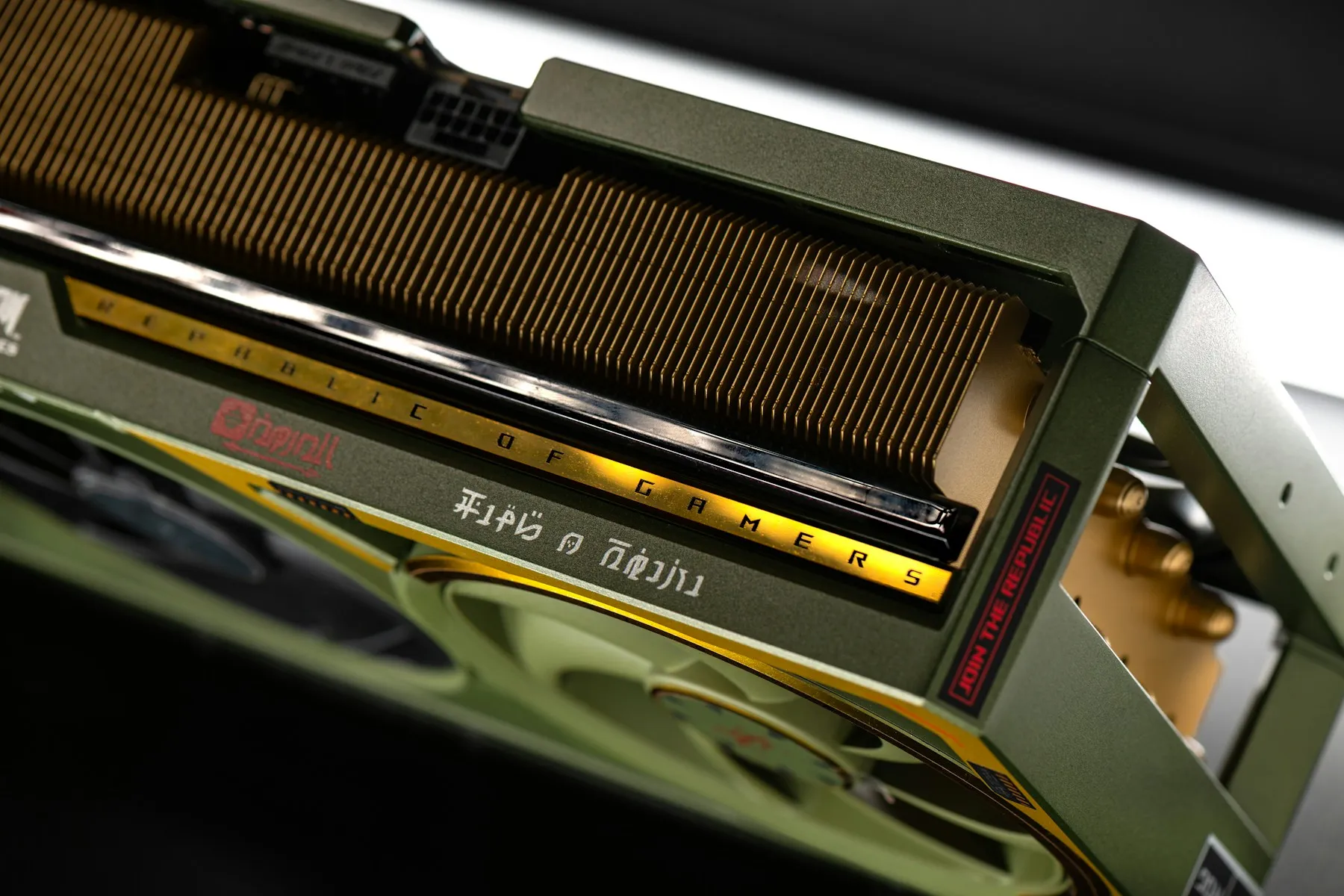
The middle of the graphics-card market is crowded with models separated by small specification changes and large naming decisions. The useful question is not which card wins every chart, but which compromises match your screen and library.
Start with the monitor
For 1080p at high refresh rates, consistent frame delivery matters more than maximum memory bandwidth. At 1440p, memory capacity and upscaling quality become more important. Native 4K still asks for a larger budget.
The three brackets
Entry cards should be judged by value and power draw. The center bracket earns its premium through longevity. Upper-midrange models need to deliver a genuinely different experience rather than a single-digit benchmark lead.
Features need game support
Frame generation, ray tracing, and low-latency modes only matter when the games you play implement them well. Check your actual library before paying for a feature list.
Our short answer
Buy the quietest card with enough memory in the performance tier your monitor can show. A spectacular benchmark means little if the cooler makes every evening less pleasant.
Related stories
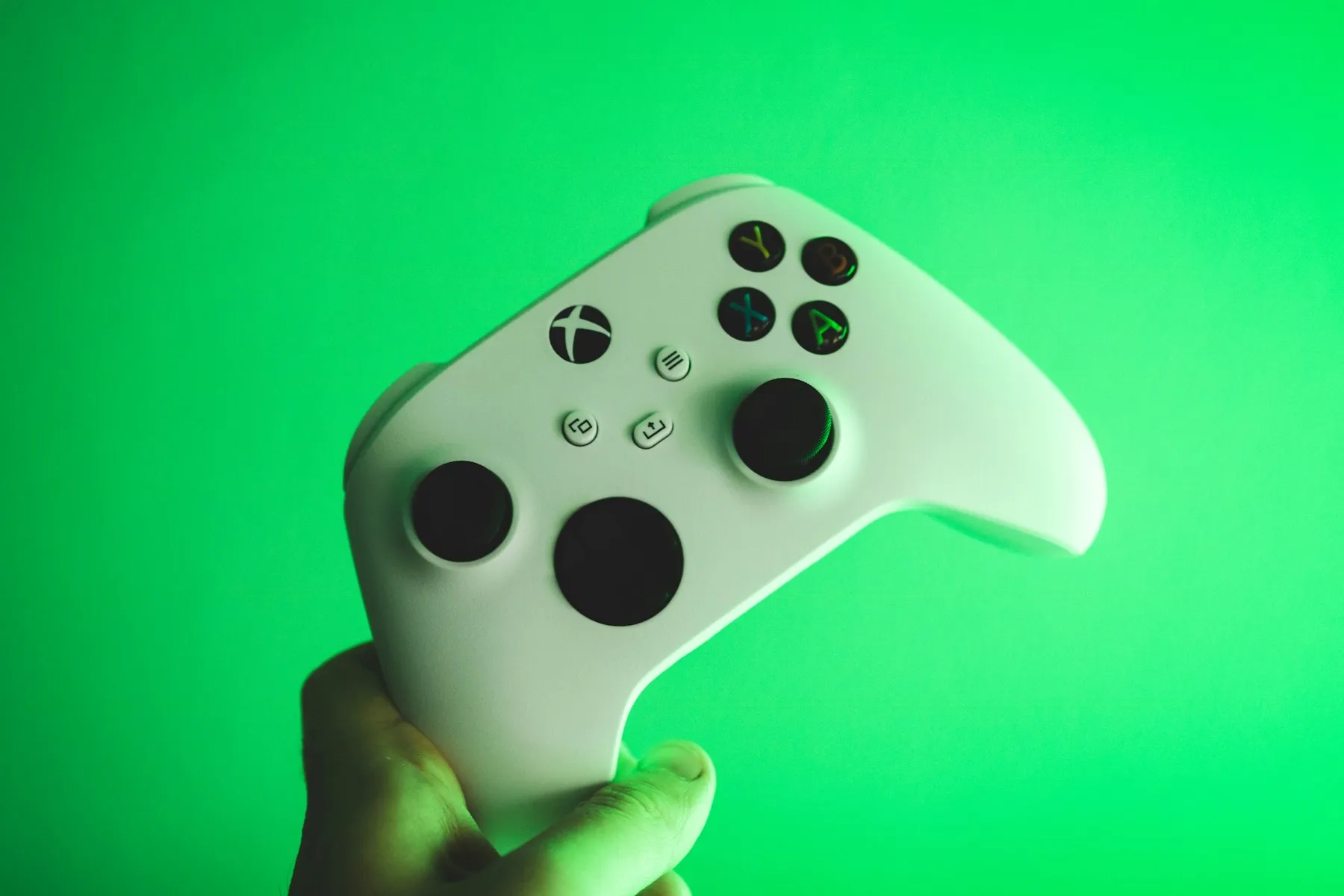
Why Handheld Gaming PCs Are Entering Their Second Generation
The first wave proved the format. The second has to prove it can last—with better panels, saner thermals, and a battery story that stops apologizing.

Studios Are Rethinking the 100-Hour Open World
After a decade of bloat, several major studios are quietly cutting their maps in half—and finding players are staying longer.

The New Competitive Shooter Betting Everything on Movement
It ships without perks, abilities, or a battle pass. What it has is the best movement system in the genre in years.